
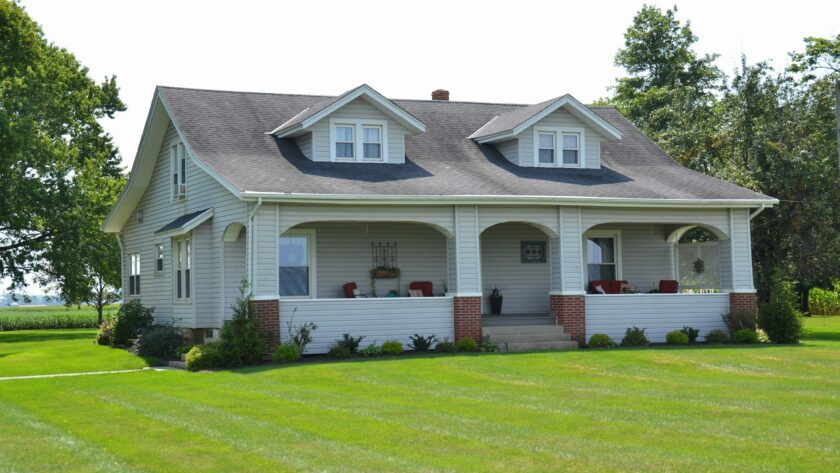
Imagine walking into a home where everything seems to be exactly where you need it. Your keys have a natural landing spot, your favorite chair is positioned perfectly for evening reading, and your kitchen works with the way you actually cook. Nothing feels awkward or unnecessarily complicated. That is what can happen when you stop designing a home around trends and start designing it around your habits. Instead of asking, “What does a beautiful home look like?” you begin asking, “What would make my everyday life easier?” The answers can completely change the way you think about your space.
Start With How You Really Spend Your Day
Before moving furniture or choosing new decor, pay attention to your daily routine. Think about where you spend most of your time, what you do immediately after waking up, where you tend to relax, and which rooms you constantly move between. You might discover that your dining table is actually your home office, your kitchen counter is where everyone gathers, or your bedroom chair has become an unofficial laundry pile. These habits reveal what your home needs more clearly than a furniture catalog ever could.
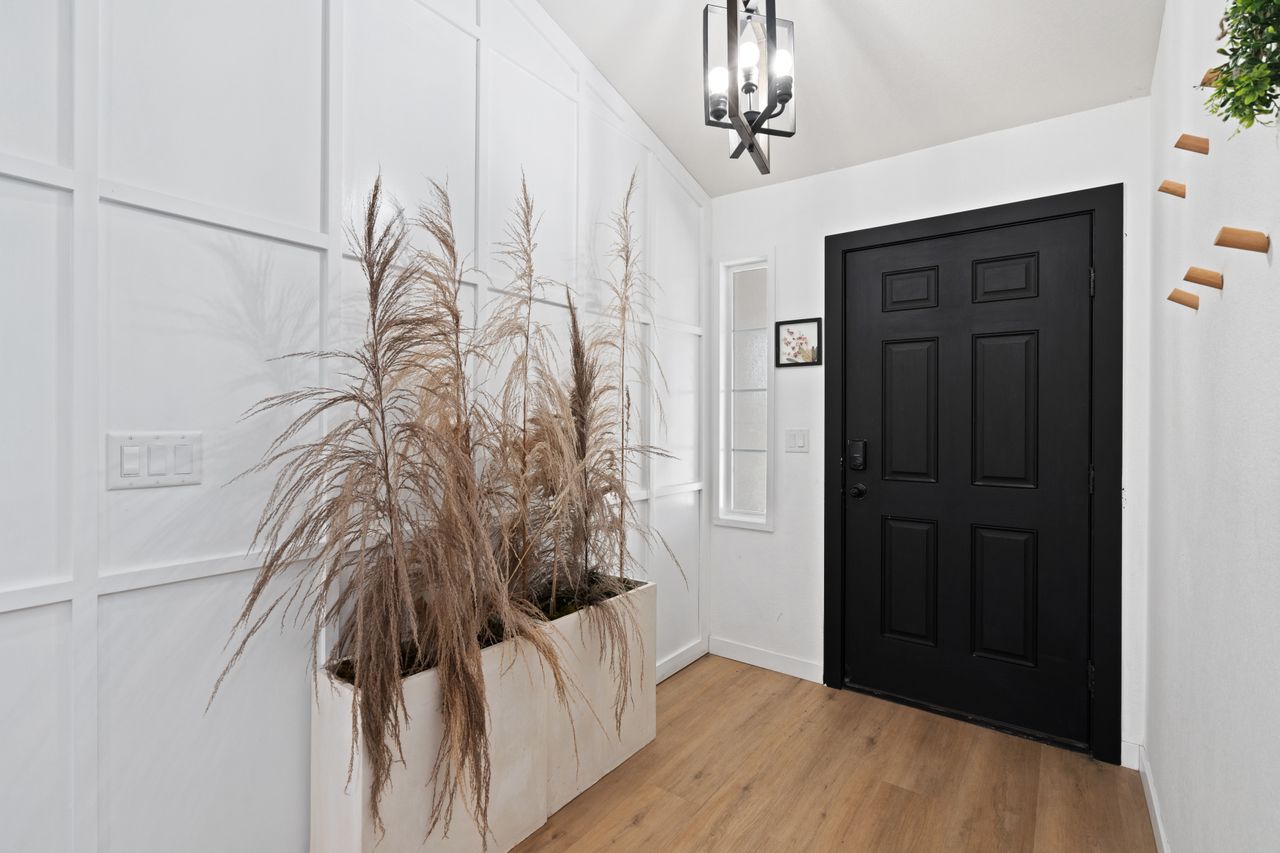
Design the Entryway Around Your Coming and Going
If you regularly drop your keys, shoes, bags, or jacket in the same place, your entryway should work with that habit instead of fighting it. A small shelf, hooks, bench, or storage basket can give those everyday items a proper home. The goal is not to create a perfect-looking entrance that nobody uses. It is to make the convenient choice the organized choice. When storage is placed exactly where clutter naturally appears, keeping things tidy becomes much easier.
Let Your Kitchen Follow Your Cooking Style
A kitchen designed around someone who loves elaborate meals will look very different from one designed for someone who prefers quick breakfasts and takeout. Your kitchen should reflect what you actually do rather than what you think you should be doing. If you use certain appliances every day, keep them accessible. If you rarely bake, you probably do not need your entire kitchen organized around baking supplies. Even the position of your most-used ingredients can make a difference when the layout follows your natural movements.
Create a Living Room for Your Real Downtime
Do you watch movies, read, play games, chat with friends, or scroll on your phone in the evening? Your living room should support those activities. A person who loves movie nights might prioritize comfortable seating and good screen placement. Someone who enjoys conversation might arrange furniture around people rather than a television. If reading is your favorite way to relax, a comfortable chair near a lamp could become the most important feature in the room.
Build Storage Around Your Mess
Every household has certain things that seem to appear everywhere. Maybe it is children’s toys, workout equipment, paperwork, shoes, hobby supplies, or charging cables. Instead of constantly trying to eliminate these items, consider creating storage specifically for them. If something is used frequently, storing it in a difficult-to-reach cabinet almost guarantees that it will end up somewhere else. Good storage should match your habits, not punish you for having them.
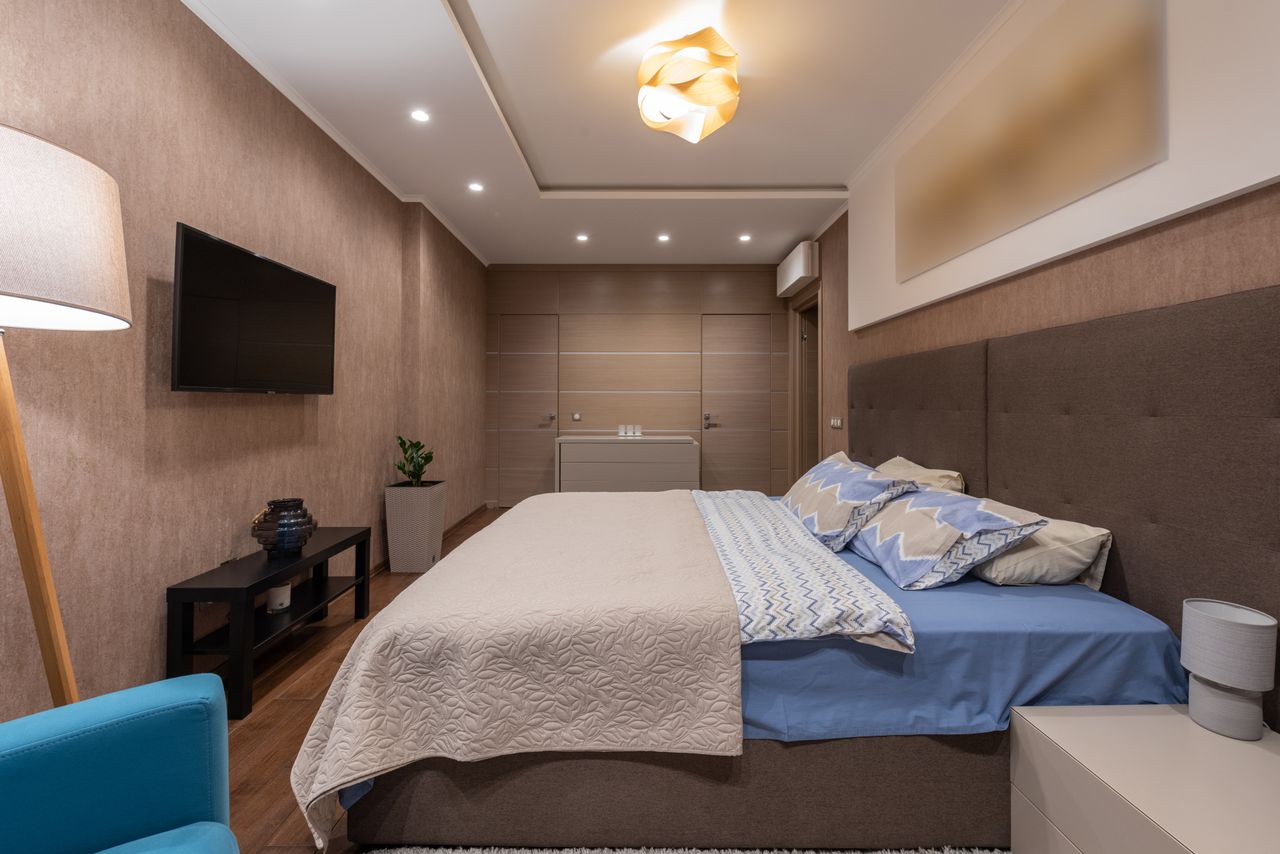
Make Your Bedroom Support Your Routine
Your bedroom can influence how easily you start and end your day. If you like reading before bed, create a comfortable reading spot with suitable lighting. If you check your phone first thing in the morning, consider where it charges and whether that setup supports the kind of morning you want. Even small details can make the room feel more personal. The ideal bedroom is not necessarily the one that looks like a showroom. It is the one that helps your nighttime and morning routines feel natural.
Give Your Hobbies Their Own Territory
Hobbies often get pushed into whatever space is left over. Over time, this can make the whole house feel cluttered. Instead, think about giving your favorite activities a dedicated zone, even if it is small. A craft enthusiast might need a compact workstation. A fitness fan could create a designated exercise corner. Someone who loves gardening might benefit from organized outdoor storage. You do not need an entire room for a hobby. You just need a space that makes it easy to start.
Stop Designing for an Imaginary Lifestyle
One of the biggest home design traps is creating a house for the person you think you should be. Maybe you buy a formal dining table even though everyone eats casually, or create a pristine home office when you actually prefer working at the kitchen table. Your home should accommodate your real life. That does not mean ignoring your goals, but it does mean being honest about how you use your space today. A practical home can still be beautiful, but its beauty should support the way you live.
A home designed around your habits does not have to be expensive, oversized, or perfectly styled. It simply needs to understand you. When rooms, furniture, lighting, and storage work with your routines, everyday life can become noticeably easier. Instead of asking how to make your home look like someone else’s, ask how you can make it feel more like yours. That question might lead to the most useful home makeover of all.