
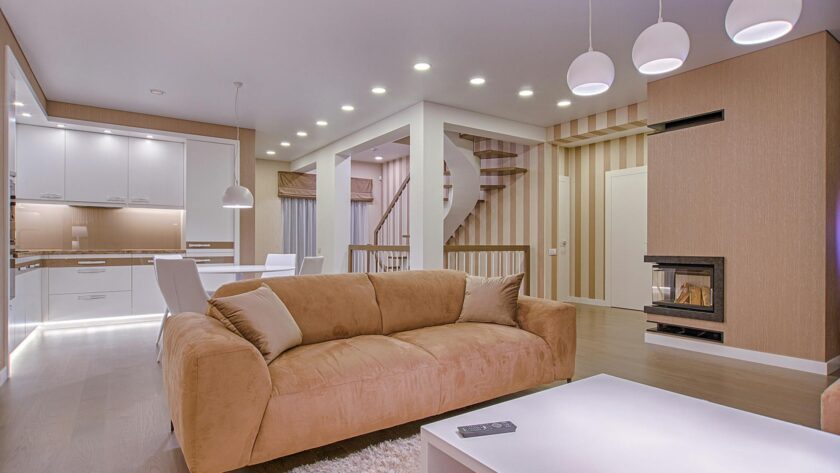
Lighting your home can be a fascinating mix of art and practicality. The right light can transform any space into a warm, inspiring environment, while poor lighting can make even the most stylish rooms feel lifeless. Just like the way light and shadow shape emotion in the death of jesse james movie, your home’s lighting tells a visual story that deeply affects comfort, mood, and character. Yet many homeowners make common mistakes that unintentionally ruin ambience and harmony. Below, we explore major factors that often lead to poorly lit spaces—and how to avoid them for a home that truly glows.
Using a Single Light Source
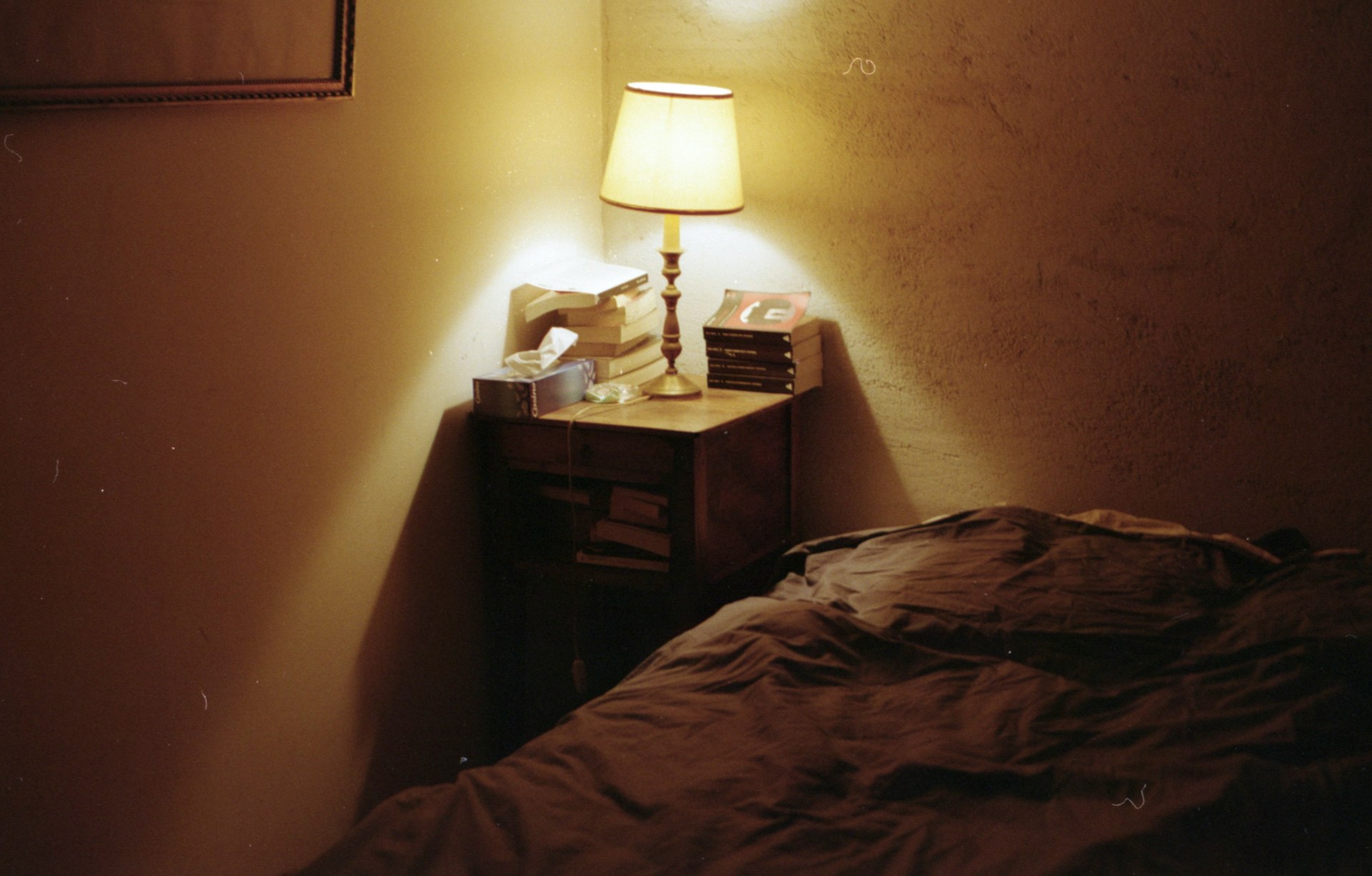 Relying on one light fixture for an entire room is one of the most common errors in interior design. A single ceiling bulb might technically illuminate the space, but it creates harsh shadows and an uneven tone. The best lighting setup involves layers—a thoughtful combination of ambient, task, and accent lighting. For example, ambient lighting sets the general brightness, task lighting focuses on areas for reading or cooking, and accent lights highlight features such as artwork or architectural details. By blending these three types, you create visual balance and warmth. A room feels far more dynamic and cozy when light comes from multiple sources at varying heights rather than just a glaring overhead bulb.
Choosing the Wrong Color Temperature
Many people overlook how drastically color temperature affects mood. Cool white bulbs can make your living room feel like an office, while overly warm tones may leave kitchens and bathrooms feeling dim or dingy. The goal is to match lighting color to each room’s purpose. Living spaces benefit from warm white (2700K–3000K), which promotes comfort and relaxation. In contrast, cooler light (3500K–4000K) works better in workspaces or bathrooms, where clarity is important. The biggest mistake is mixing different temperatures in one area—it disrupts visual harmony and makes rooms appear inconsistent. Sticking with one tone per space helps your home maintain a unified, pleasant atmosphere.
Ignoring the Importance of Natural Light
Artificial lighting alone can never fully replace sunlight. Natural light gives interiors vibrancy, contrast, and emotional energy that bulbs simply can’t reproduce. Unfortunately, many homes block this gift unintentionally with heavy curtains, dark blinds, or bulky furniture near windows. To maximize daylight, use light-colored window treatments or sheer fabrics that diffuse sunlight without blocking it. Position mirrors to reflect outdoor light deeper into the room, and arrange furniture to avoid obstructing windows. Even a few design tweaks can make daylight dance around your home, giving it a soft and welcoming radiance. Neglecting natural light doesn’t just waste energy—it diminishes the soul of your living space.
Poor Fixture Placement and Height
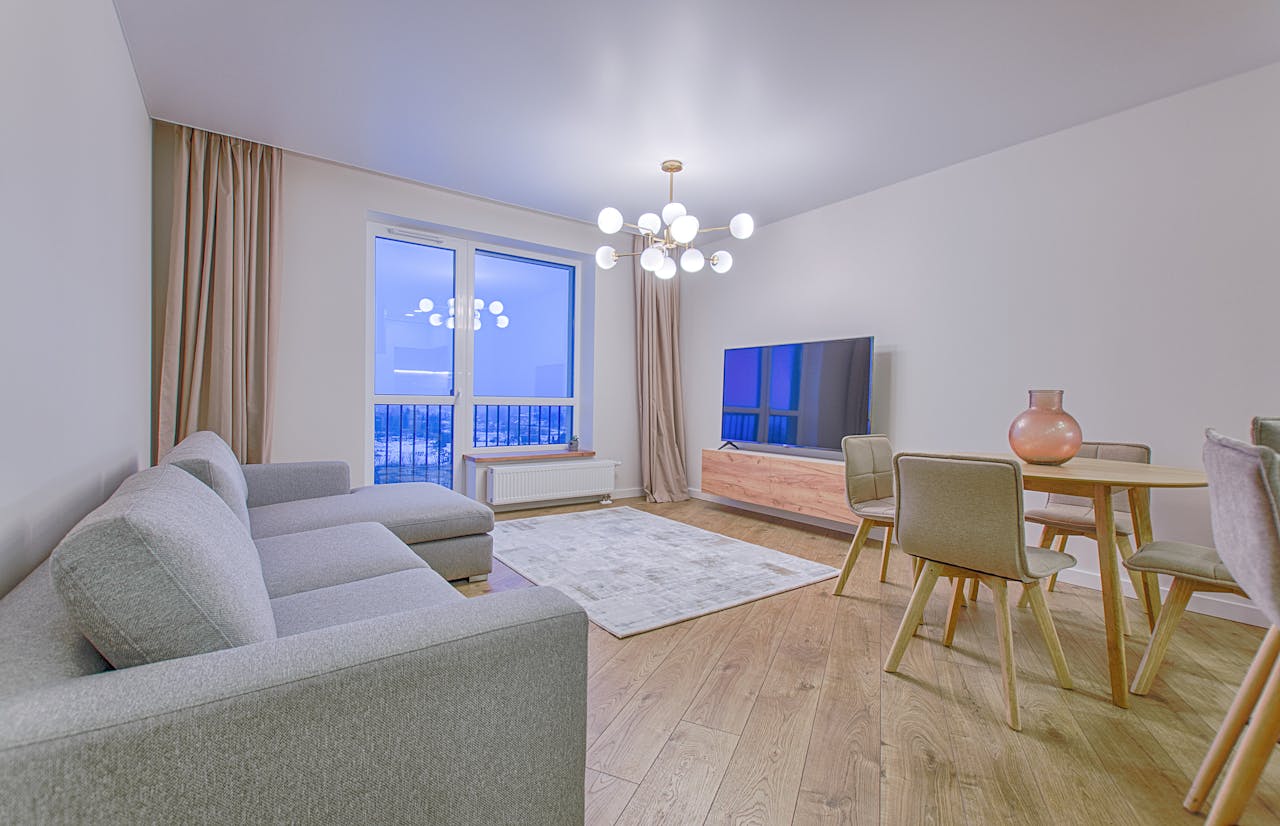
Even with beautiful fixtures, incorrect placement can destroy visual comfort. Chandeliers hung too high or too low, wall sconces placed unevenly, or lamps positioned to cast glare all create imbalance. Placement determines whether light flatters your room—or fights against it. As a general rule, dining room pendants should hang about 30–36 inches above the table, while bedside lamps should align with shoulder height when you sit upright. Pay attention to proportion and distance. A well-placed fixture illuminates gently, guiding the eye and enhancing textures without drawing unwanted attention. Remember, the human eye naturally follows light—so direct it thoughtfully.
Neglecting Dimmers and Smart Controls
Lighting intensity needs to adapt to time, activity, and emotion. A bright kitchen light might suit breakfast but feel jarring during a calm evening meal. Yet many homes still rely on static switches that give no control over brightness. This lack of flexibility makes lighting feel mechanical rather than atmospheric. Dimmers allow you to adjust mood instantly. A soft, low glow brings serenity at night, while full brightness energizes the morning. Smart lighting systems take this further, letting you automate scenes—dim for movie time, bright for work hours, and warm for relaxation. Adding dimmers or smart controls isn’t just convenient; it’s transformative. You gain mastery over ambience, creating harmony that fits every moment.
Home lighting is far more than functionality—it’s the heartbeat of your space. Relying on a single fixture, ignoring color temperature, blocking natural light, misplacing fixtures, or skipping dimmers are five factors that most often ruin a home’s ambience. Each misstep disrupts the balance between brightness and shadow, stripping warmth and personality from your interiors. By approaching lighting as an expressive design element rather than an afterthought, you can create rooms that feel comfortable, connected, and emotionally rich. A thoughtful lighting plan turns ordinary spaces into living stories—illuminated with calm, clarity, and charm.